ENGINEERING NOTEBOOK / 028
Product Design
The E-Bike That Never Left the Drive
Four years ago, I designed an electric fat bike around a Kenyan urban mobility concept that never made it to prototype.
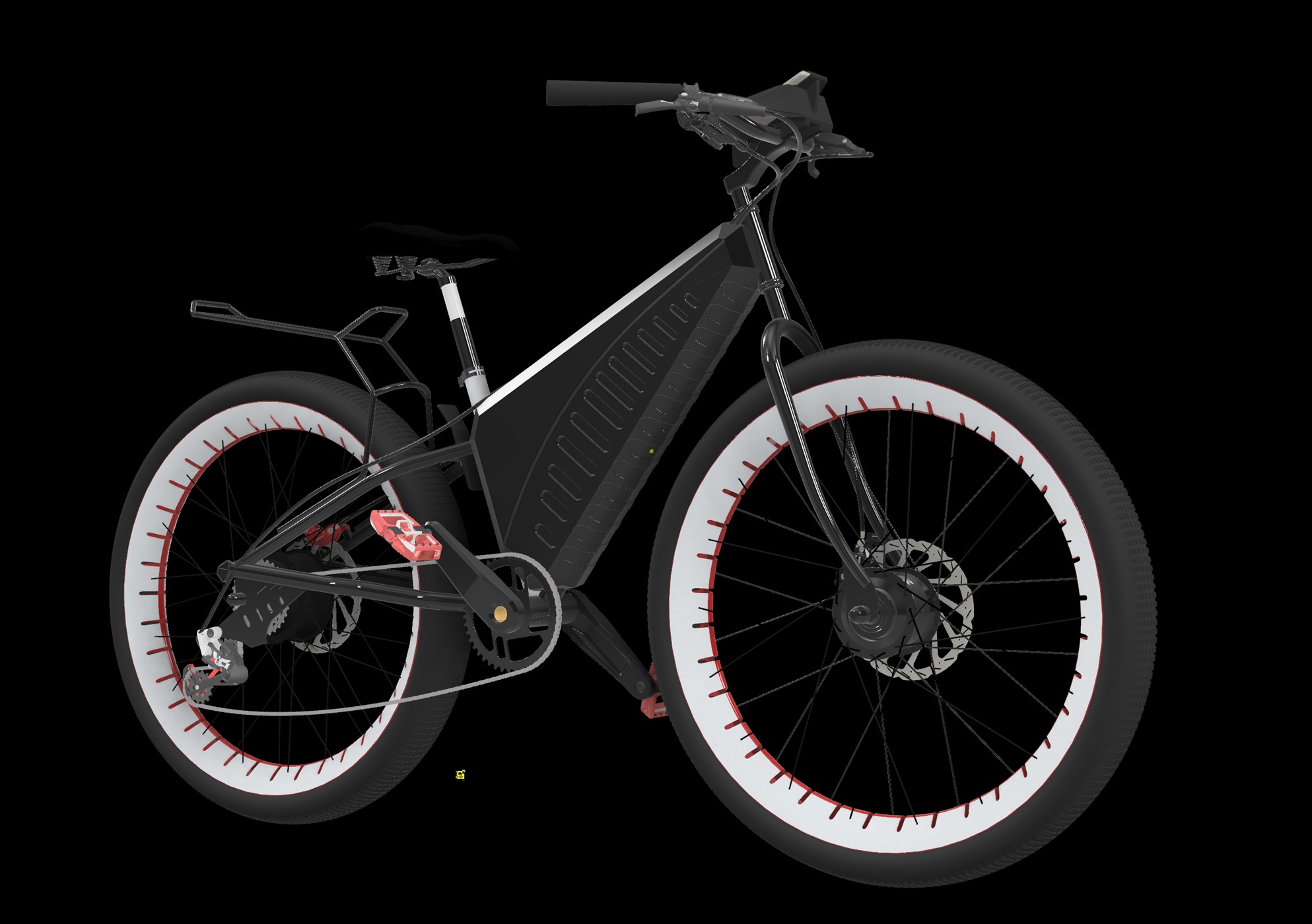
The E-Bike That Never Left the Drive
Four years ago, a friend and I wanted to build an electric bike.
The idea was bigger than simply designing a bicycle.
We wanted to enter the Kenyan electric mobility market with a product designed specifically around urban cruising, deliveries and longer-distance riding.
We had already started thinking about the business model, possible revenue streams and even the possibility of generating additional value through carbon credits.
The bike came later.
I was responsible for designing it.
01 — DESIGNING FOR THE URBAN RIDE
The starting point was an electric fat bike.
I chose 26-inch wheels with four-inch-wide tyres.
Part of that decision was practical.
Part of it was deliberate styling.
I wanted the bike to have a distinctive presence on the road — something that felt different from the conventional bicycles and electric bikes already on the market.
The goal was an urban machine that could comfortably handle city cruising, deliveries and longer rides.
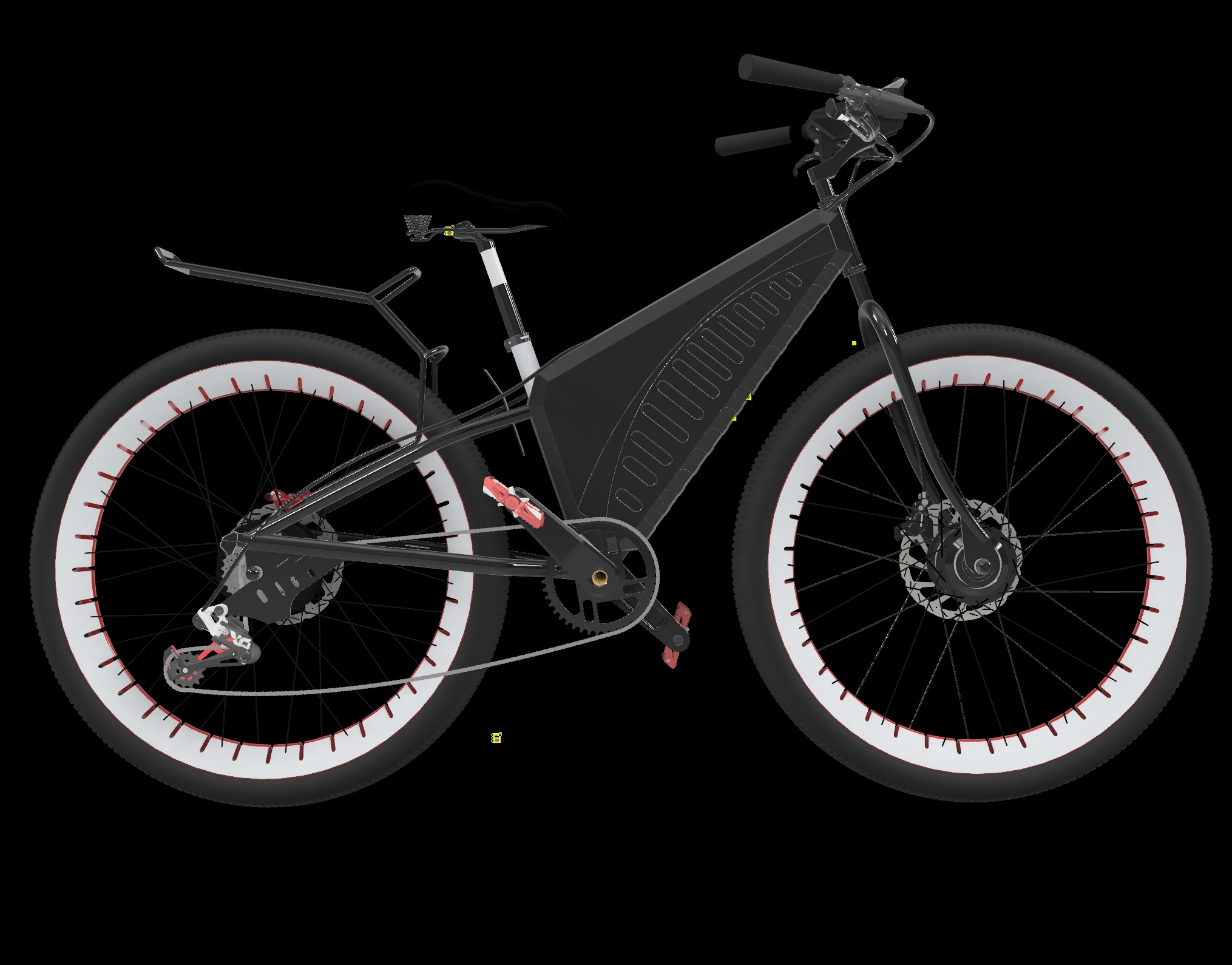
Urban fat-bike configuration.
The proportions, frame geometry and overall posture were developed around the idea of a comfortable, substantial city cruiser rather than a lightweight racing bicycle.
I wanted the bike to look capable.
02 — BATTERY AND RANGE
The bike was designed around a relatively high-capacity battery.
The target range was approximately 48 kilometres per charge cycle.
That number was important because the intended use was broader than short recreational trips.
A rider could use the bike for:
- urban commuting
- deliveries
- cruising
- longer-distance trips
For applications requiring additional range, the battery configuration could be modified.
The idea was that the platform would not be locked into a single battery size.
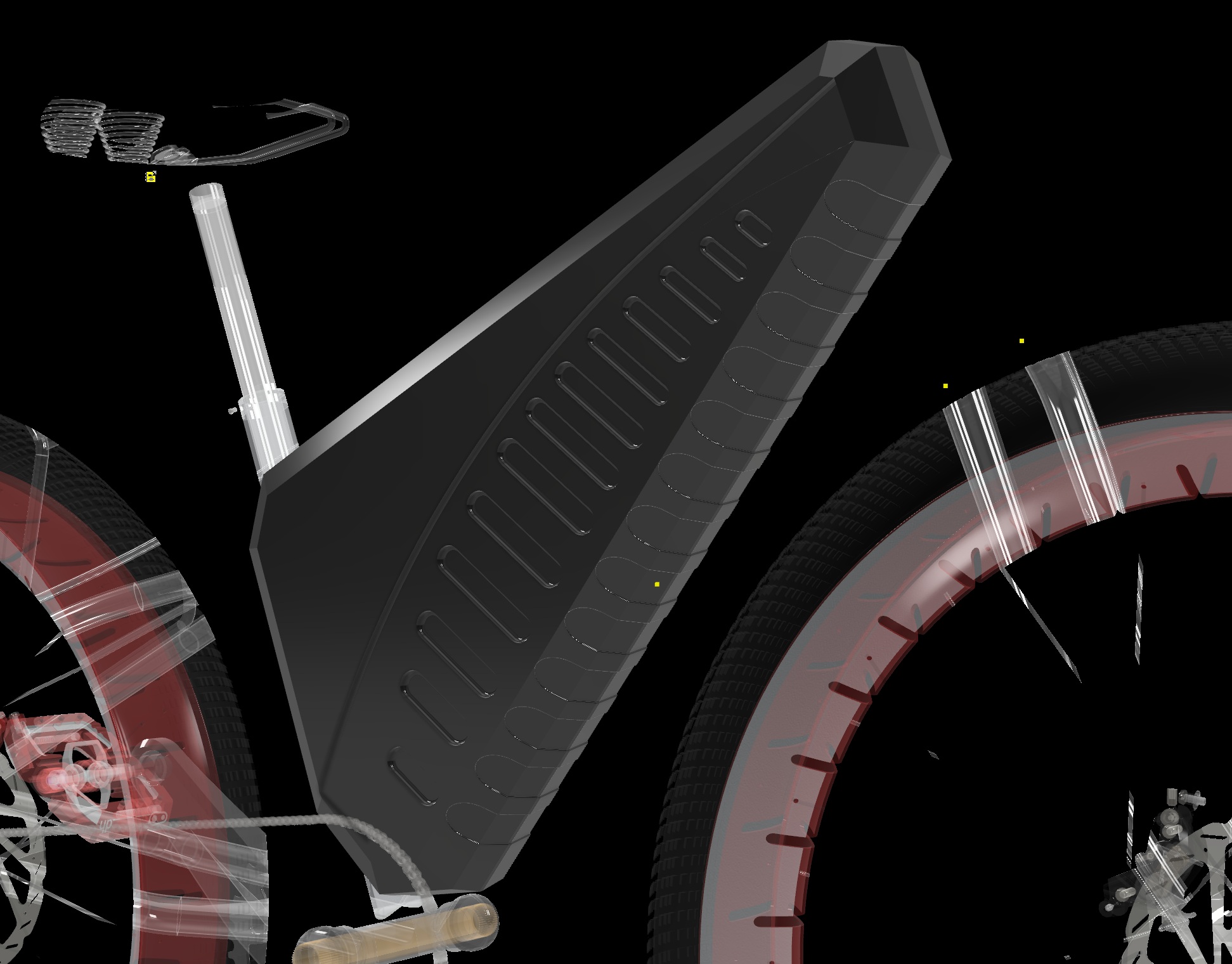
Battery packaging and frame development.
03 — DESIGNING FOR COMFORT
I did not want the bike to feel like a machine that simply happened to have an electric motor attached to it.
Comfort was part of the concept.
I designed it around a more traditional, old-school style of handlebar and incorporated an adaptive suspension seat post.
The intention was for the seat post to respond to changes in terrain and improve the comfort of the rider.
The bike was meant to be something you could actually spend time on.
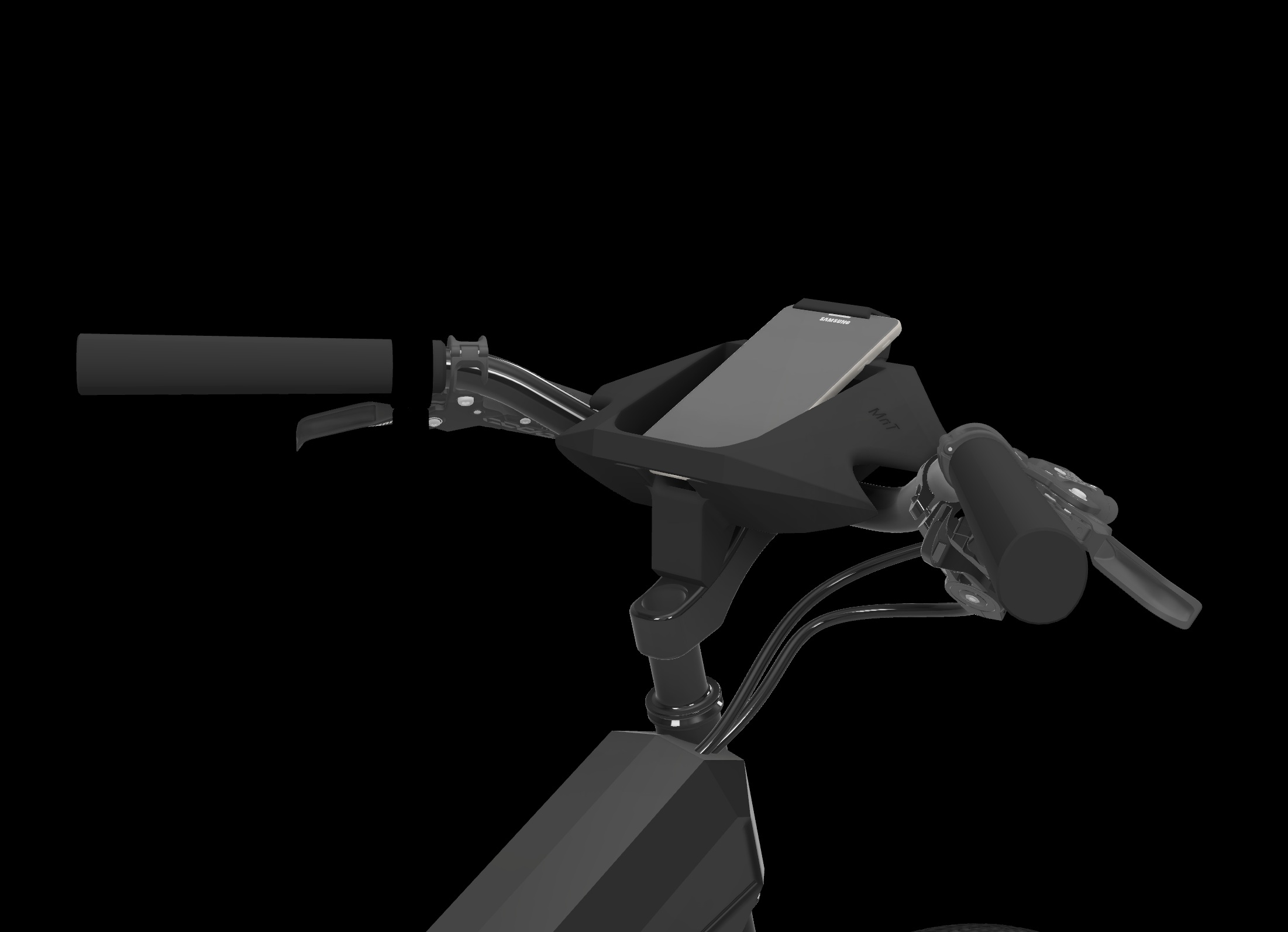
Handlebar and rider-position concept.
04 — ONE BIKE, DIFFERENT CONFIGURATIONS
Another part of the concept was customization.
I did not want every customer to receive exactly the same configuration.
The platform could be adapted around different uses.
Battery capacity could be changed.
Accessories could be changed.
The rear carrier could be configured differently.
Even the seat could be changed depending on whether the owner wanted a conventional rider-only configuration or something capable of carrying a pillion.
The idea was to make the bike a configurable platform rather than a single fixed product.
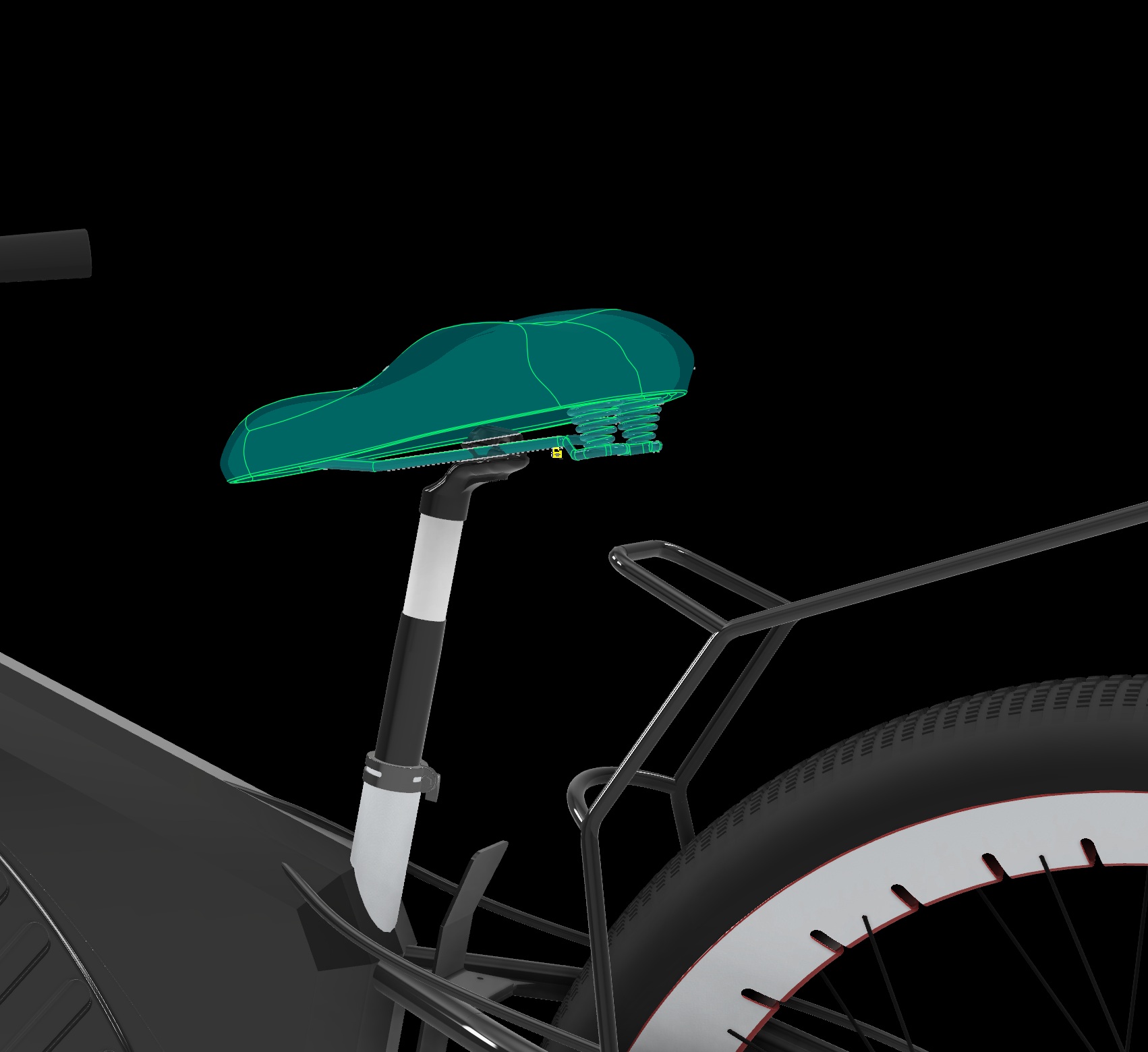
Exploring different accessory and configuration options.
05 — THE BIKE AS AN ASSET
The concept became more interesting when I stopped thinking about the bike only as a personal vehicle.
I wanted it to work as an operational asset.
A company could purchase several bikes and use them as part of a delivery or mobility operation.
That raised a different set of requirements.
The bikes would need to be managed as a fleet.
Owners or operators would need visibility into the bikes.
And that led naturally to the idea of an application.
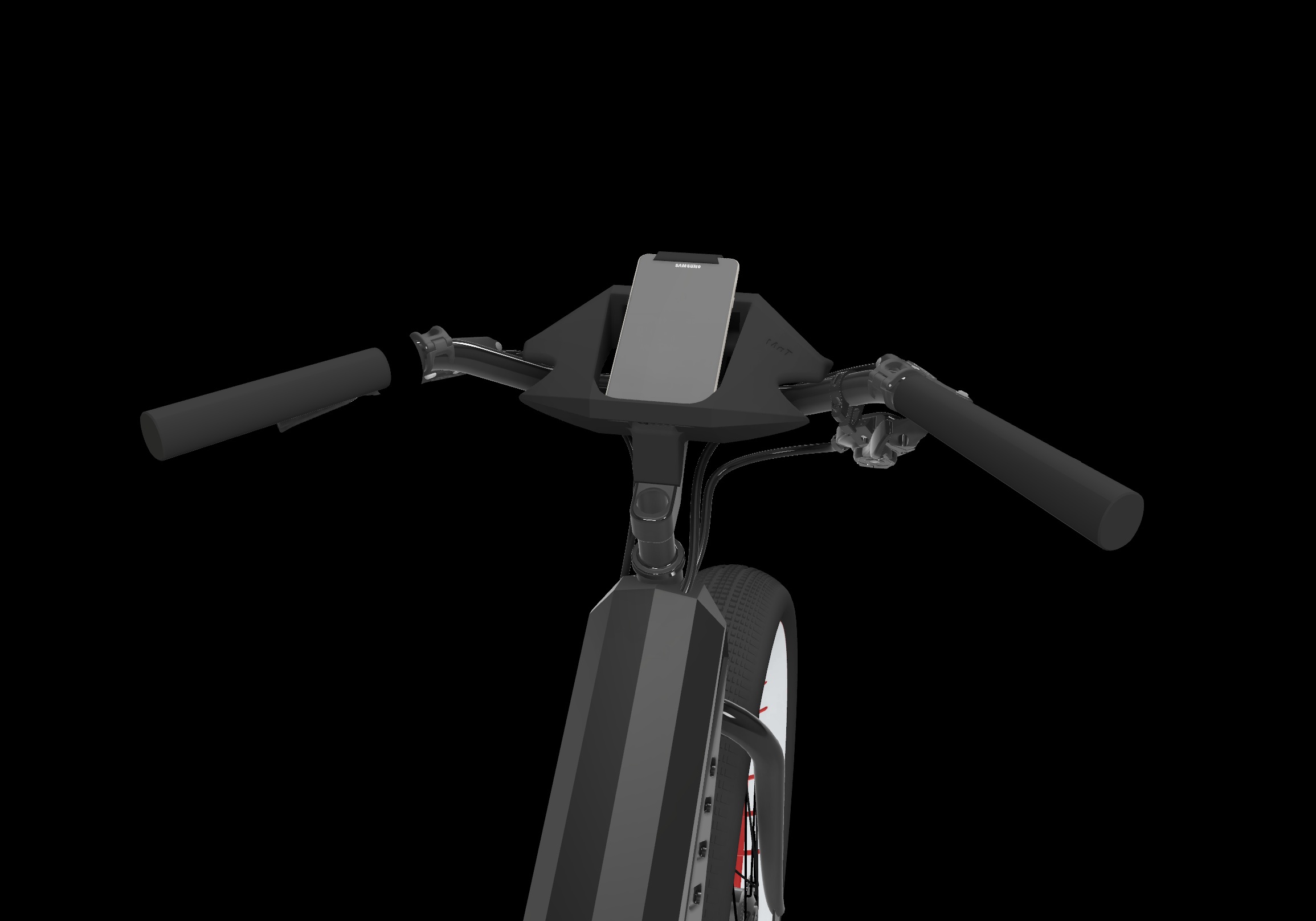
Early thinking around connected-bike functionality.
06 — CONNECTING THE BIKE
I wanted the bike to be connected to an application.
The owner could monitor the bike and, in a fleet application, a company could potentially manage multiple bikes as operational assets.
The application concept was part of a broader idea:
The product was not just the bike.
It was the bike, the software and the business model around it.
That changed the way I thought about the design.
The physical product had to support a wider system.
07 — THE DESIGN PROCESS
As with most of my projects, the process started with the form.
Sketches became concepts.
Concepts became CAD models.
CAD models became renders.
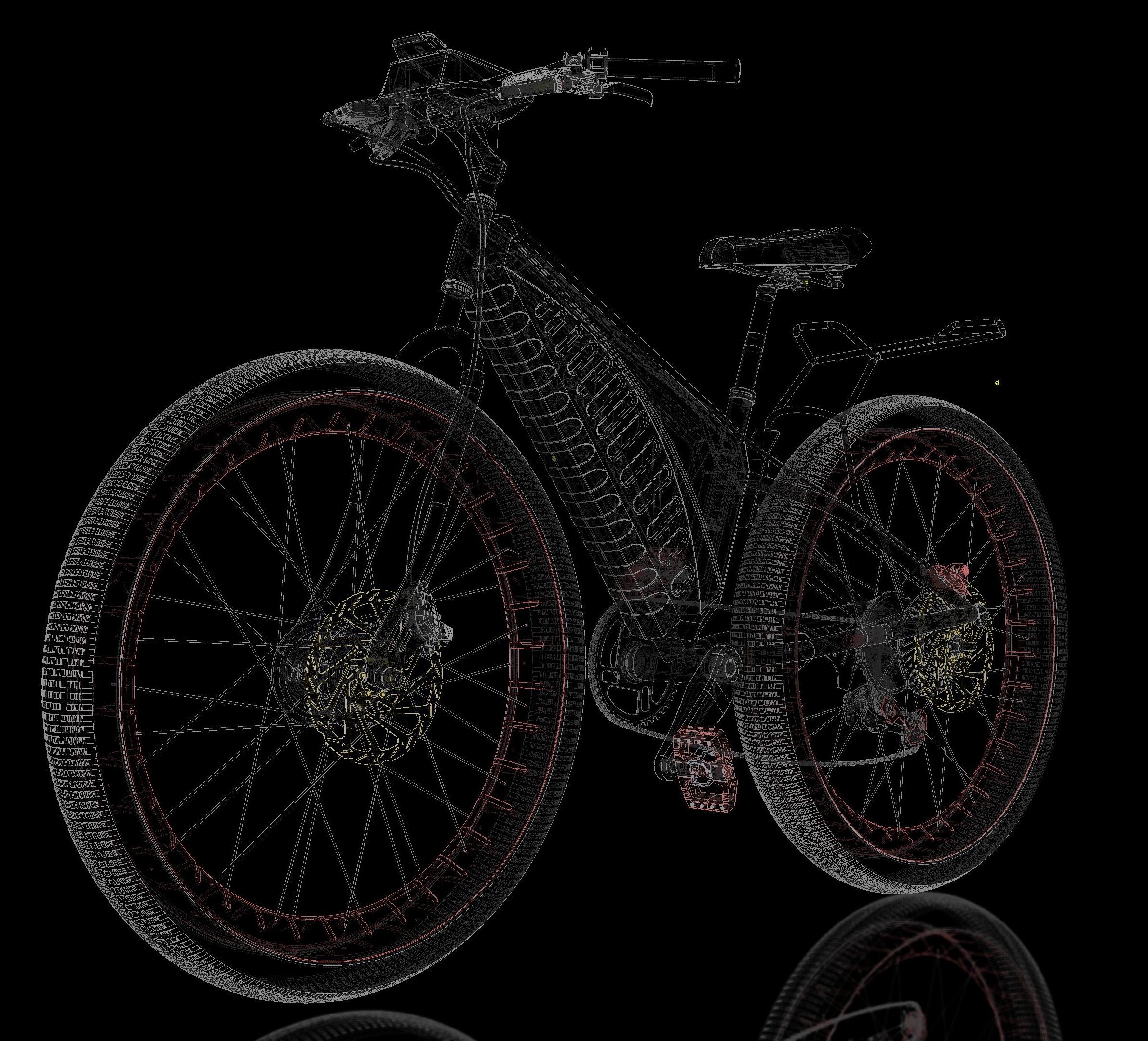
Early design sketches.
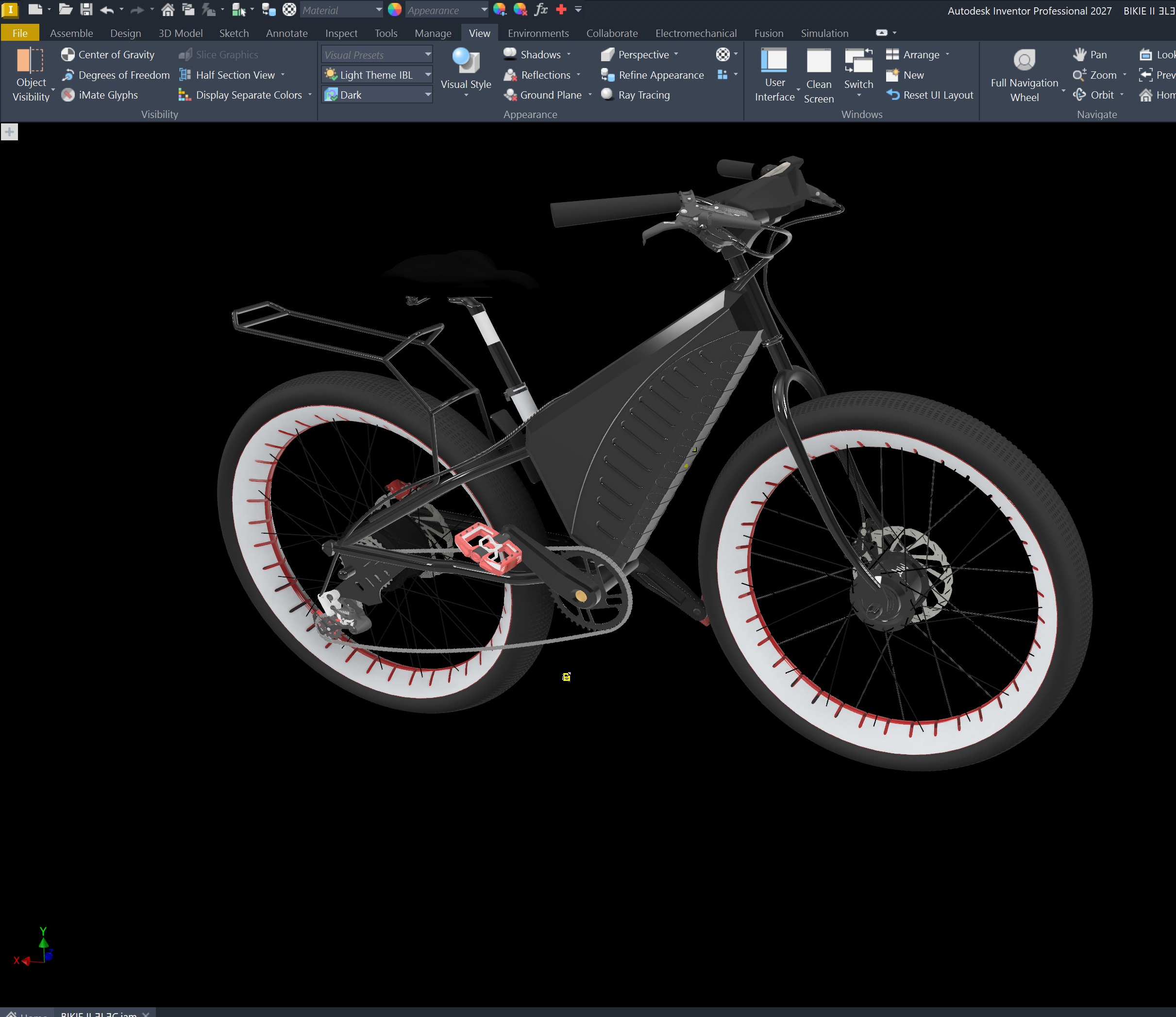
CAD development.
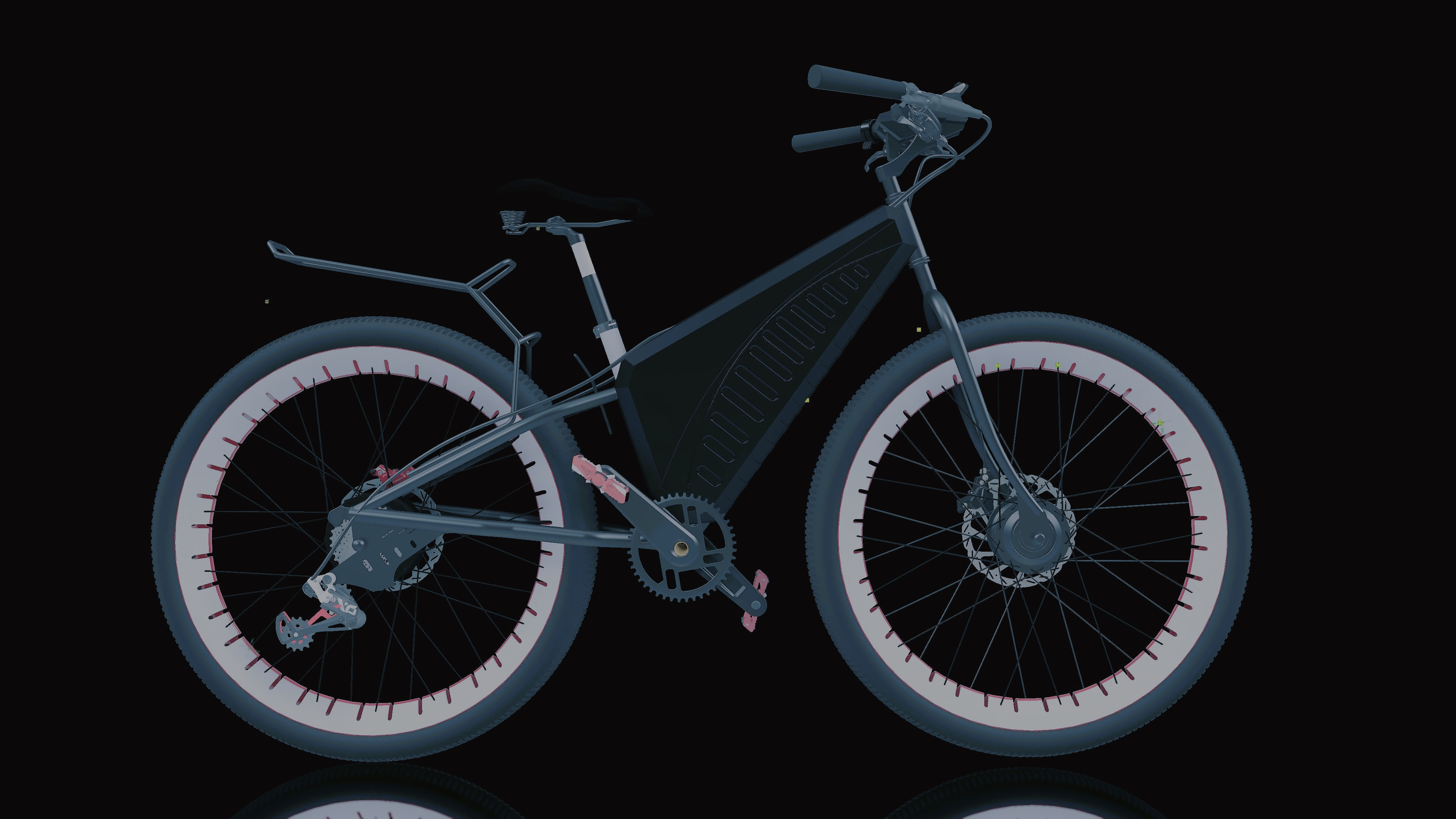
A later-stage render.
A lot of the work was spent resolving the relationships between the frame, wheels, battery, rider position, suspension and accessories.
The bike had to look coherent, but it also had to make sense as a product.
That meant continually moving between individual components and the complete machine.
08 — THE PART THAT NEVER HAPPENED
And then reality intervened.
We never fabricated the bike.
We never produced the prototype.
The concept remained in CAD and renders.
Four years later, the bike is still sitting in my drive as a record of what we were thinking about at the time.
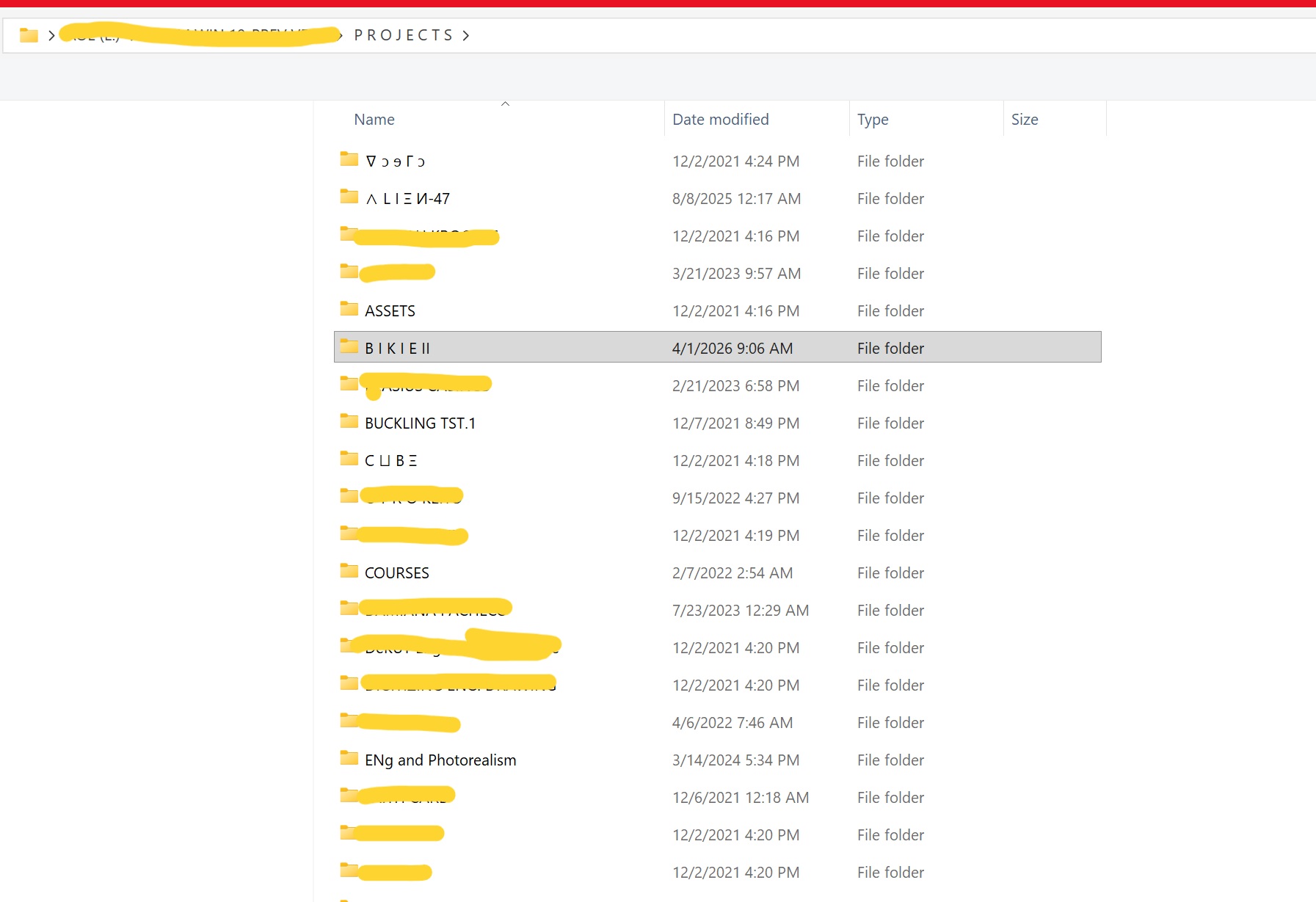
The project as it remained — a digital prototype.
That is one of the strange things about product design.
A design can be technically developed enough to communicate a complete product idea while still being nowhere near production.
The gap between designing a product and building a product can be enormous.
09 — FOUR YEARS LATER
Looking at the project now, I see two things.
First, I still like the bike.
The proportions, fat tyres, riding position and overall character still make sense to me.
But I also see how much of the original idea depended on assumptions that were never tested physically.
The range target needed real-world validation.
The suspension concept needed testing.
The frame needed to be fabricated.
The battery system needed validation.
The software concept needed to become software.
And the business model needed actual customers.
None of those things can be proven by a render.
10 — WHAT I LEARNED
The biggest lesson from this project is not about electric bikes.
It is about the difference between a convincing design and a validated product.
I was able to design the machine.
I could make it look complete.
I could think through the customer, the business model and even the connected-product ecosystem around it.
But without fabrication and testing, it remained a concept.
That distinction has stayed with me.
A CAD model can answer a lot of questions.
A prototype answers different ones.
THE BIKE STILL EXISTS
The bike never made it onto the road.
But the design is still here.
And that is partly why I am publishing it now.
Some projects become products.
Some become prototypes.
Some remain drawings on a drive.
They are all part of the engineering record.
Notebook 028
Not every design makes it to the road. Some become evidence of what you were thinking before you were ready to build it.
END OF NOTEBOOK 028
BACK TO
THE NOTEBOOK
Every finished design leaves another question behind.
RETURN TO JOURNAL