ENGINEERING NOTEBOOK / 026
Project
Designing a Human-Like Robotic Gripper
Developing a robotic gripper using free-body diagrams, CAD relationships and parametric motion.
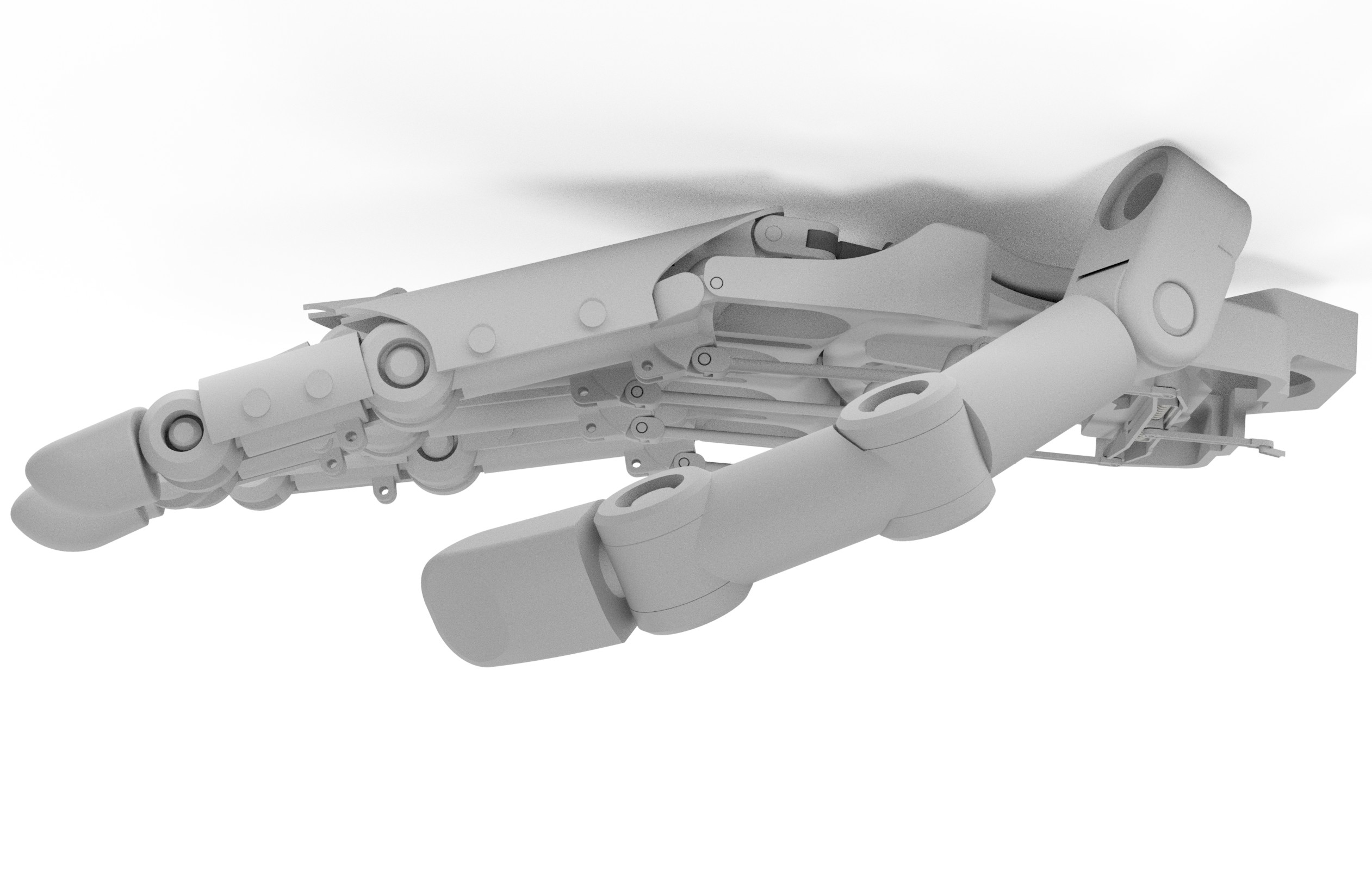
Designing a Human-Like Robotic Gripper
I wanted to develop a robotic gripper whose motion behaves more like a human hand.
The first thing I did was avoid jumping straight into CAD.
Instead, I started with a free-body diagram to establish the mechanical relationships.
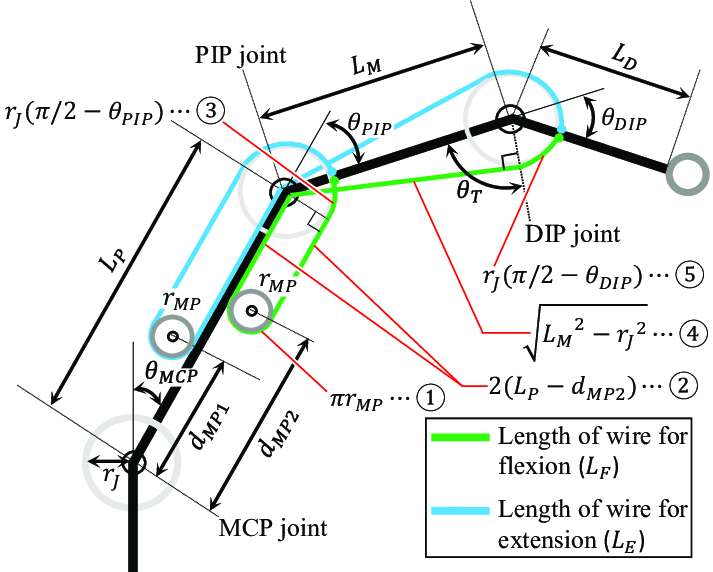
Kinematic breakdown of a humanoid finger mechanism. Source: ResearchGate
The mechanism
The fingers were developed individually before being brought together into the complete assembly.
The main design variables included:
- finger geometry
- joint locations
- actuator position
- motion limits
- linkage relationships
CAD development
After establishing the geometry, I moved the mechanism into Autodesk Inventor.
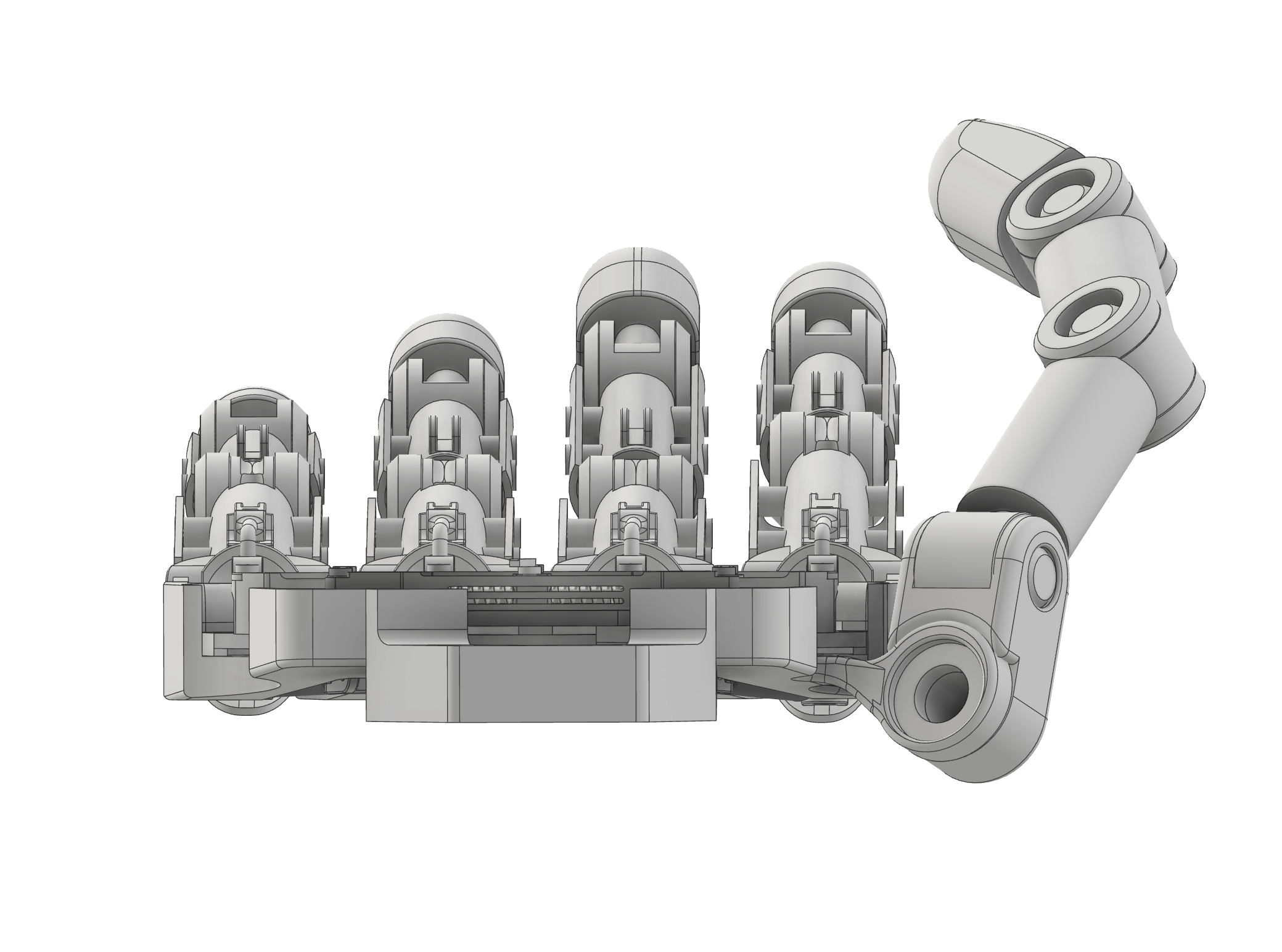
The objective was not simply to create parts that looked correct.
The assembly needed to move correctly.
Motion study
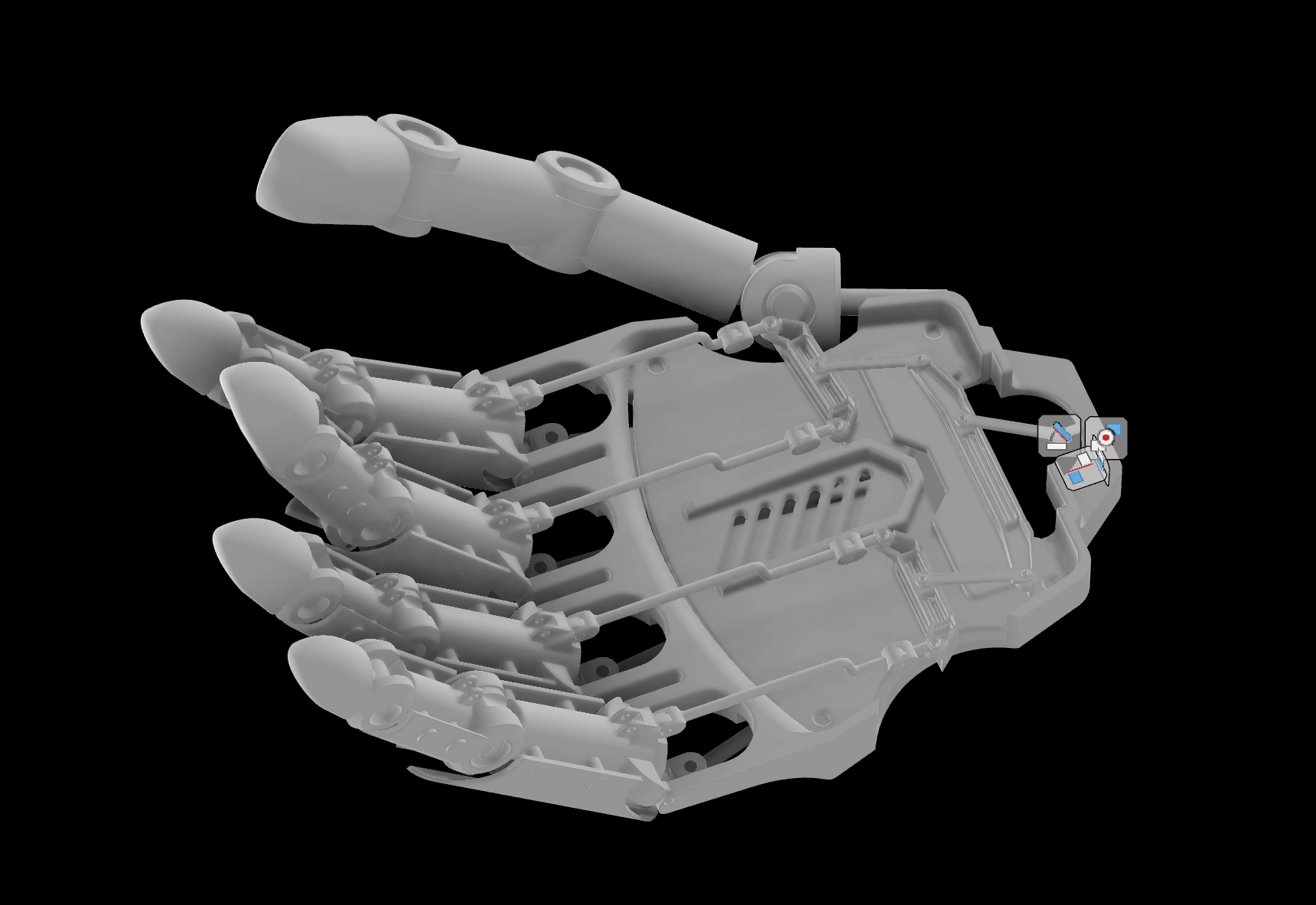
I used constraint relationships to simulate the folding and unfolding motion of the fingers.
This exposed several problems in the original geometry.
What changed
The final mechanism went through several iterations.
The important lesson was that the mechanism needed to be designed around its motion, not just its individual components.
Result
The current design provides a functional mechanical architecture that can continue into prototyping and physical testing.
Notebook 026
Design is rarely a straight line.
END OF NOTEBOOK 026
BACK TO
THE NOTEBOOK
Every finished design leaves another question behind.
RETURN TO JOURNAL